The bottleneck is rarely price. It is the number of bids you can turn around before the deadline. Here is how estimating capacity decides win rate.
Most contractors think they lose bids on price. Look closer and the real loss is upstream: the bids that never got submitted because estimating could not turn them around in time.
The math of a bottleneck
Say your win rate is one in five. To land two jobs a month, you need to submit ten bids. If your estimating capacity tops out at six, you are not bidding your way to two jobs. You are bidding your way to a bit over one, and hoping.
The fix is not a better close rate. It is more shots on goal. Every bid you cannot produce is a job you already lost, quietly, before a competitor ever undercut you.
Where the time actually goes
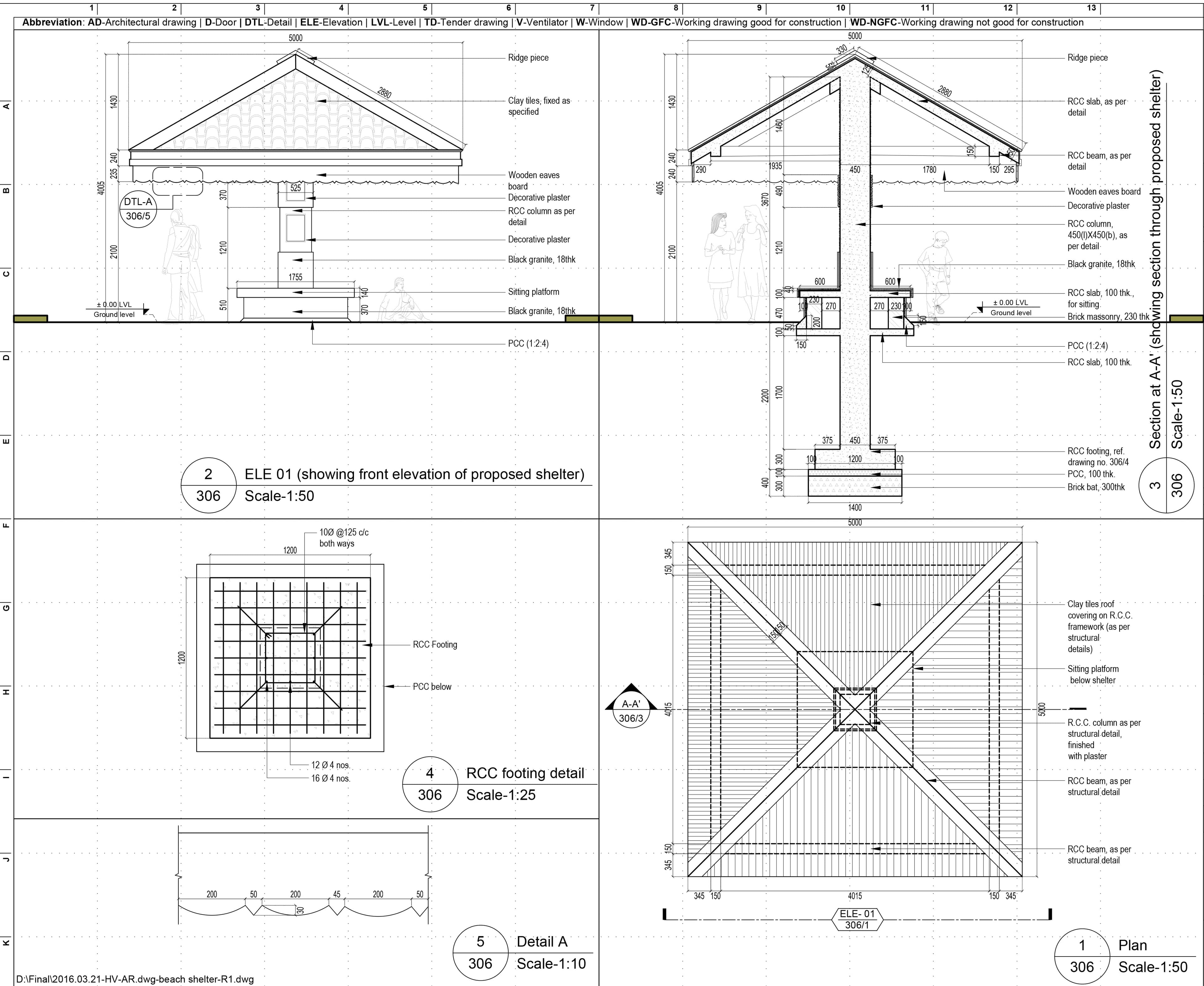
A competitive estimate is mostly counting and pricing:
- Reading the drawings and specs
- Taking off quantities line by line
- Pricing materials against current data
- Loading labor at your crew rates
- Writing up assumptions and exclusions
None of it is optional, and none of it compresses well when a project manager is also running three active jobs. That is why estimating is the first thing to slip when the pipeline gets busy — exactly when you can least afford it.
Capacity you can turn on
Outsourced estimating exists to break that ceiling. You keep the relationships and the pricing strategy; you hand off the takeoffs and the math. When five bids land in one week, capacity scales to meet them instead of forcing you to pick which two to chase.
The result is simple: you submit every bid worth submitting, and your win rate finally gets to work on a full pipeline instead of a throttled one.